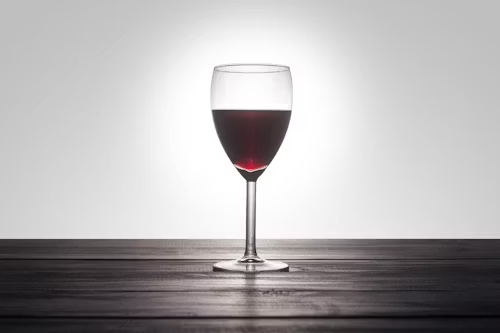
Wine is often described in complex ways that can confuse beginners. Words like “tannic” “oaky” or “full-bodied” are thrown around, but many first-time drinkers have no idea what these actually mean. So, what does wine taste like? The truth is, wine is a combination of flavors, textures, aromas, and sensations — and it can be very personal. Your own palate, mood, environment, and even the food you eat alongside wine affect your experience.
This article will break it down in simple terms, explain common misconceptions, cover aspects many beginner guides skip, and help you start enjoying wine with confidence.
1. First Sip Experience: Why Wine Tastes Different to Everyone
Your first sip of wine may be surprising. Some notice a sharp acidity, others a smooth fruitiness, and some feel warmth or slight bitterness. This difference happens because wine interacts with multiple senses.
- Smell Matters: Aroma accounts for much of what we perceive as taste. The scent of citrus, berries, herbs, or oak primes your palate.
- Mood Affects Taste: Stress or fatigue can make wine taste harsher, while a relaxed environment makes it smoother.
- Expectations Shape Experience: If you expect sweetness, a dry wine might feel unpleasant.
Many guides skip this subjective side, but understanding it helps beginners feel more confident. Wine tasting is not a test — it’s an experience that varies per person.
2. The Five Core Elements That Shape Wine’s Taste
Every wine, no matter how expensive, is built from five fundamental elements. Recognizing them makes tasting easier:
- Sweetness: Comes from residual sugar left after fermentation. A wine can taste fruity but still be dry.
- Acidity: Gives wine its crispness, mouth-watering freshness, and balance.
- Tannins: Found in red wines, tannins provide structure and cause a dry feeling.
- Body: Refers to the weight or fullness of wine in your mouth — light, medium, or full-bodied.
- Alcohol: Adds warmth, depth, and sometimes a subtle spicy sensation.
The interplay of these elements determines a wine’s overall balance. When they are harmonious, wine feels enjoyable and complete.
3. What Does Wine Taste Like in Simple Words?
So, what does wine taste like in plain terms?
Wine can taste slightly acidic, sometimes dry, smooth or velvety, and layered with flavors reminiscent of fruits, herbs, spices, or earthy notes. The experience changes from the first sip to the finish — the lingering sensation after swallowing.
Some wines are refreshing and light; others are deep and bold. Factors influencing taste include grape variety, fermentation method, oak aging, serving temperature, and your own palate.
4. How Red Wine Flavors Feel on the Palate
Red wines are often described as “strong,” but this strength comes from texture and complexity, not just flavor. Common red wine flavors include:
- Dark fruits: blackberry, plum, black cherry
- Red fruits: raspberry, cherry
- Earthy undertones: leather, forest floor
- Oak and spice: vanilla, clove, pepper
Red wines can feel dry due to tannins or smooth and velvety when balanced. Temperature matters: slightly chilled red wine often tastes softer and more approachable, while warm red may feel heavier and more robust.
5. White Wine Taste Profiles Explained Without Confusion
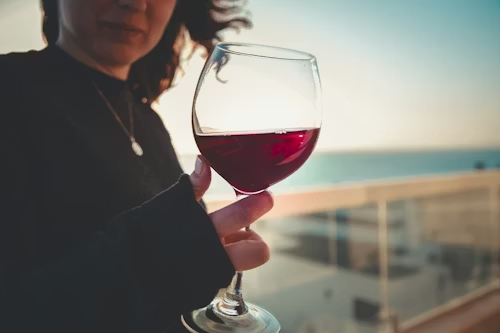
White wines tend to focus on acidity and freshness, making them feel lighter but expressive. Common flavors include:
- Citrus: lemon, lime, grapefruit
- Green fruits: apple, pear
- Tropical fruits: pineapple, mango
- Floral and herbal notes
- Mineral hints in some wines
White wines may taste crisp and refreshing or creamy and buttery, depending on fermentation and oak treatment. This is why two white wines can feel completely different despite coming from the same grape type.
6. Sweet, Dry, or Bitter? Clearing the Biggest Wine Taste Myths
Beginners often confuse these elements:
- Fruitiness ≠ Sweetness: A wine can taste fruity but still be dry.
- Bitterness ≠ Poor Quality: Mild bitterness comes from tannins and oak aging.
- Dry ≠ Sour: Dry wines can feel balanced and smooth.
Understanding these distinctions makes wine much easier to enjoy and prevents misconceptions from discouraging first-time drinkers.
7. Why the Same Wine Can Taste Different Each Time You Drink It
Wine is dynamic. The same bottle can taste different due to:
- Food Pairing: Certain foods soften acidity or reduce bitterness.
- Temperature: Cold wine can taste sharper; warmer wine may feel more expressive.
- Glass Shape: The glass can enhance or diffuse aroma.
- Mood & Environment: Your physical and emotional state affects perception.
Recognizing this variability explains why wine tasting is always a learning experience. Even the same wine can feel new every time.
8. How to Describe Wine Taste Like a Normal Human (Not a Sommelier)
Forget complex terms. Describe wine honestly:
- Light or heavy?
- Smooth or sharp?
- Quick finish or lingering taste?
Example:
“This wine feels smooth, slightly dry, with hints of cherry and a clean, fresh finish.”
Simple descriptions are better for communication, sharing, and understanding. You don’t need to memorize expert terminology to appreciate wine.
9. What Does Wine Taste Like for First-Time Drinkers?
For beginners, what does wine taste like often comes down to three sensations:
- Acidity: mouth-watering or sharp
- Dryness: noticeable on the gums
- Alcohol warmth: subtle heat
Your first impression doesn’t define your future palate. As you taste more wines, bitterness fades, and subtle flavors emerge, making wine more enjoyable over time.
10. How Food Changes the Way Wine Tastes
Food pairing can dramatically alter your perception:
- Acidic foods: soften acidity and make wine taste smoother
- Fatty foods: reduce bitterness and round tannins
- Sweet foods: can complement or clash with wine flavors
Example: a crisp Sauvignon Blanc feels brighter with seafood, while a Cabernet Sauvignon feels smoother with grilled red meat. Understanding this interaction is key to a fuller wine experience.
11. Additional Tips for Enjoying Wine
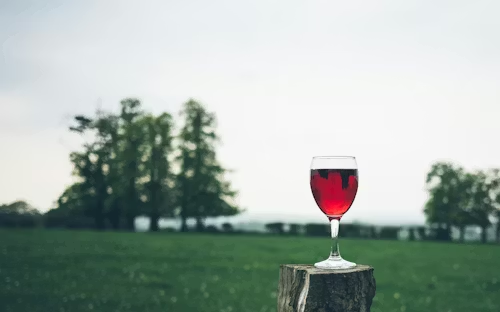
Some points often missed by beginners:
- Smell first: Aroma contributes more than 80% to taste perception.
- Take small sips: Large sips can overwhelm your palate.
- Cleanse between wines: Use water or neutral foods to reset taste buds.
- Experiment: Try different grape varieties, regions, and wine styles.
These tips build your sensory awareness, making it easier to understand and describe wine naturally
12. Why Wine Tasting Improves Over Time
With practice, your ability to detect subtle flavors, aromas, and textures increases. Tasting regularly allows your palate to differentiate:
- Primary fruit flavors (berries, citrus, tropical)
- Secondary flavors from fermentation (vanilla, caramel, butter)
- Tertiary notes from aging (smoky, earthy, mineral)
Even small observations help answer the question: what does wine taste like more accurately each time.
Visit hare: Winobit3.4 Software Error Causes Fixes & Expert Prevention Tips
Final Thoughts: Understanding Wine Taste Comes With Experience
Wine isn’t about memorizing tasting notes or using fancy descriptors. It’s about awareness, curiosity, and enjoyment. The more you taste, the more comfortable you become with its complexity.
Every sip teaches you something new. Your experience of what does wine taste like depends on the wine itself, your palate, your mood, and the environment. Over time, wine evolves from confusing to expressive, creating a journey of flavors to enjoy responsibly.
Disclaimer: This guide is for educational and informational purposes only. It is designed to help beginners understand wine taste better and enjoy it responsibly. It is not medical advice or a prescription.
FAQs
Q1: How do you describe the taste of wine?
A: Focus on sweetness, acidity, tannins, body, and finish. Use simple words like fruity, smooth, or crisp.
Q2: Does wine get you drunk?
A: Yes, wine contains alcohol. Drink slowly and responsibly.
Q3: Is wine sweet or bitter?
A: It can be sweet, dry, or slightly bitter depending on grape and tannins.
Q4: Is wine good for a first-time drinker?
A: Yes, start with light whites, rosés, or smooth reds in small sips.
Q5: What is the 20-minute wine rule?
A: Let wine breathe for 20 minutes to enhance aroma and taste.